Struggling with sudden patchy hair loss? You might be searching for Which Medication Helps Alopecia Areata to stop shedding and regrow your hair. Alopecia areata is an autoimmune condition where the body attacks hair follicles, leading to noticeable bald spots.
The right medication, topical, oral, or injectable, can help reduce inflammation, stimulate regrowth, and restore confidence. Backed by dermatologists and clinical research, these treatments offer hope for long-term hair recovery. Discover trusted medical options tailored to your hair loss stage and severity in this guide.
🧬 What Is Alopecia Areata?
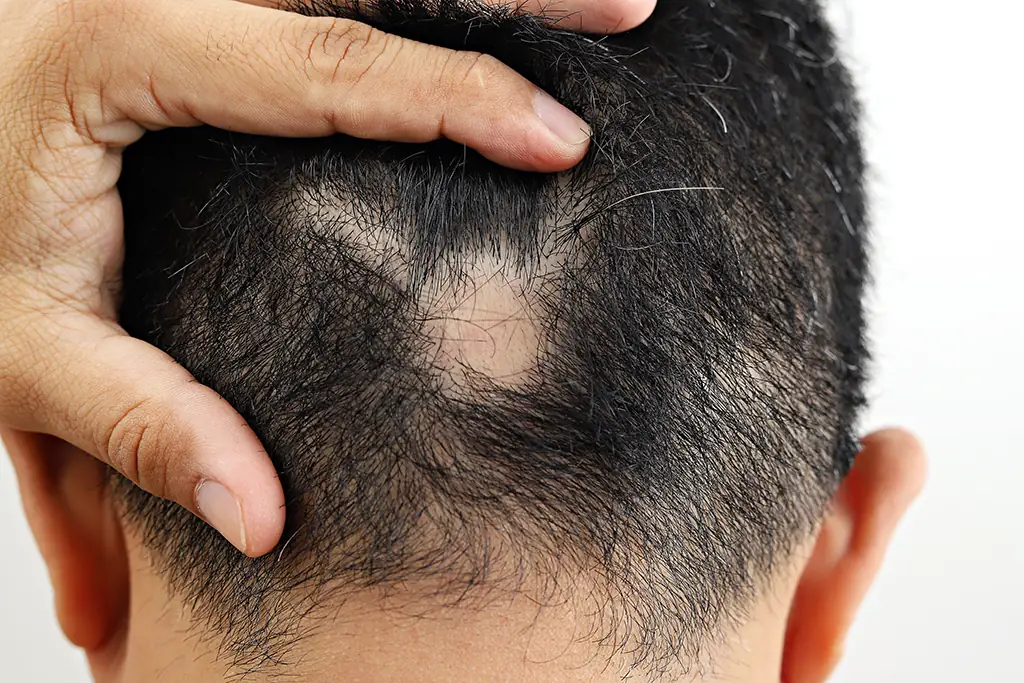
Alopecia areata is an autoimmune hair loss disorder that affects people of all ages. It typically begins as small, round bald patches but can progress to more extensive hair loss in some cases.
While the exact cause remains unknown, it is believed to be linked to genetic and environmental factors that trigger the immune response against hair follicles.
💊 Medication Options for Alopecia Areata
Let’s explore some commonly used and medically approved treatment options for alopecia areata, including oral tablets and topical medications:
1. Topical Corticosteroids
- How they work: Suppress the immune response locally
- Form: Creams or ointments applied directly to bald patches
- Common uses: Often the first-line treatment for children and adults
2. Intralesional Corticosteroid Injections
- Best for: Small, well-defined bald patches
- How they work: Reduce inflammation and encourage regrowth in the injected areas
- Timeline: May see regrowth in 4–6 weeks
3. Oral Corticosteroids (Short-Term Use)
- Examples: Prednisolone, methylprednisolone
- Purpose: Help when there is rapid or widespread hair loss
- Considerations: Used cautiously due to potential systemic side effects
4. JAK Inhibitors (Janus Kinase Inhibitors)
- Examples: Tofacitinib, Ruxolitinib
- How they work: Block the inflammatory pathway involved in autoimmune hair loss
- Form: Oral tablets
- Evidence: Clinical trials show promise, especially for moderate to severe alopecia areata
5. Minoxidil (Topical Solution or Foam)
- Common use: Often combined with other treatments
- Effect: Stimulates hair regrowth and prolongs the growth phase
- Benefit: Safe for long-term use, even in sensitive individuals
🧪 How Treatment Is Decided at Our Islamabad Clinic
At Dr. Rana Irfan’s Hair Restoration Center, treatment plans are based on:
- Extent and duration of hair loss
- Patient age and health profile
- Underlying causes (autoimmune history, stress, deficiencies)
- Lifestyle preferences (oral vs. topical therapy)
All care is provided under strict medical supervision, with personalized consultations led by Dr. Rana Irfan, a globally trained surgeon and member of ABHRS and ISHRS.
🌍 Serving Islamabad & Beyond: Medical Tourism Options
Patients from across Pakistan and abroad visit our clinic for advanced alopecia management solutions. Our facility in Islamabad is equipped with modern diagnostic tools and treatment options, ideal for residents and international visitors seeking:
- Non-surgical hair restoration options
- Immunotherapy-based treatments
- Minimally invasive solutions for alopecia areata