
Summary
Is the use of AI in hair transplant procedures the future of hair restoration? It certainly looks promising.
AI improves precision, reduces trauma, and creates personalized treatment plans.
While surgeons remain essential, AI-assisted techniques enhance graft survival, shorten surgery times, and deliver more natural results, making them a key part of the future of hair restoration.
Introduction
Many people considering a hair transplant worry about inconsistent results, long recovery, or unpredictable outcomes. This article answers the question: “Is the use of AI in hair transplant procedures the future of hair restoration?”
You’ll discover how AI boosts precision, reduces trauma, and personalizes treatment. With expert input, case evidence, and patient-focused guidance, this post will help you understand what’s real, what’s hype, and how to make informed choices.

The Current Landscape of Hair Transplant Techniques
Traditional Methods: FUT, FUE, DHI
Follicular Unit Transplantation (FUT), Follicular Unit Extraction (FUE), and Direct Hair Implantation (DHI) are the most widely used techniques. FUT involves removing a strip of scalp, while FUE and DHI focus on extracting follicles individually. While effective, these methods depend heavily on the surgeon’s skill and can vary in results.
Robotic-Assisted Systems and AI Features
Modern clinics now use robotic systems like ARTAS that incorporate AI-driven imaging. These machines help map donor areas, select follicles, and even implant grafts with more consistency than manual methods.
Why Innovation Matters
Manual work can lead to variability in density, higher transection rates (damaged follicles), and longer surgery times. AI promises to overcome these weaknesses by adding precision, consistency, and speed.
How AI Is Being Applied in Hair Restoration Today
AI in Preoperative Planning & Diagnostics
AI systems can scan the scalp to measure follicle density, donor availability, and hair caliber. Algorithms simulate likely outcomes, showing patients a preview of their new hairline. This helps in setting realistic expectations.
AI in Harvesting & Implantation
Machine learning models identify the healthiest donor follicles. Robotic arms, guided by AI, reduce the chances of damaging grafts during extraction and ensure even spacing during implantation.
AI in Postoperative Monitoring
Smart imaging apps now track graft survival and healing progress. Patients can upload scalp photos, and the system detects early signs of infection or poor growth. This allows clinics to adapt aftercare quickly.
The Promise: Why AI Could Shift the Future of Hair Restoration
Precision and Consistency
AI minimizes human error, ensuring straighter hairlines and even distribution. This leads to natural results that hold up over time.
Faster Recovery and Better Survival
Shorter surgical times mean less trauma to the scalp. Studies suggest this can improve graft survival rates and reduce swelling or discomfort.
Personalized Plans
AI can adjust strategies based on genetics, hair type, and scalp condition. This personalization is difficult to achieve with manual-only approaches.
Accessibility of Expertise
Smaller clinics without world-renowned surgeons may still deliver strong results using AI support, making advanced restoration more widely available.
Challenges, Risks & Ethical Considerations
Data and Model Bias
AI systems rely on the quality of their training data. If the datasets are limited, the algorithm may not work equally well for all ethnicities or hair types.
Surgeon Oversight and Skill Drift
While AI aids precision, surgeons must remain in control. Over-reliance may reduce human expertise in complex cases.
Regulatory and Legal Concerns
Currently, regulatory bodies are cautious about fully autonomous systems. Liability, whether with the surgeon or AI manufacturer, is still debated.
Patient Trust and Transparency
Patients should always be told how AI is used in their treatment and how much influence it has over surgical decisions.
Comparative Case Studies & Clinical Evidence
Robotic Hair Restoration Studies
Peer-reviewed trials show robotic systems can reduce follicle transection rates and shorten procedure times.
Clinic Reports
Clinics using AI-assisted planning report improved patient satisfaction scores and higher density outcomes.
What to Expect in the Next 5–10 Years
Research Frontiers
Scientists are exploring AI combined with stem cells and cloning. This could potentially regenerate unlimited donor hair in the future.
Fully Autonomous vs Human+AI Hybrid Models
The likely path is hybrid systems where AI supports surgeons rather than replaces them.
Adoption Curve
As systems become affordable and approved, more mid-level clinics may adopt them, increasing access.
Integration with Regenerative Therapies
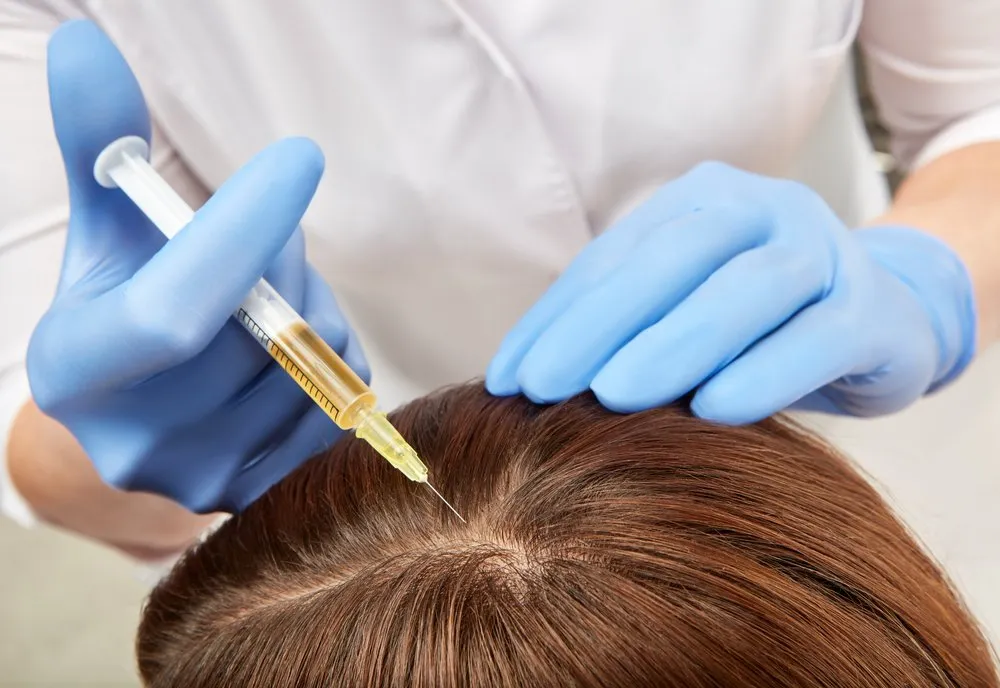
PRP (Platelet-Rich Plasma) and regenerative injections are likely to become standard complements to AI-guided transplants.
Patient Perspective — What to Ask & Watch Out For
- Ask if your clinic uses AI in planning or extraction.
- Request a preview simulation of your potential outcome.
- Check whether the clinic provides clear data on graft survival rates with AI support.
- Watch out for overpromises — no AI can guarantee 100% results.
FAQs About AI in Hair Transplant
Is an AI-powered hair transplant safe?
How much does an AI-assisted transplant cost?
Will AI reduce recovery time?
When can I see results?
Can AI fully replace surgeons?
Next Steps
Ready to explore advanced solutions for hair loss? Book a consultation with Dr. Rana Irfan in Islamabad today. Our clinic combines medical expertise with AI-powered planning to give you safe, natural, and lasting results.
AI is already transforming how hair transplants are performed. While it’s not a total replacement for skilled surgeons, it enhances precision, improves graft survival, and creates personalized treatment plans.
With careful adoption, transparency, and ongoing innovation, AI could indeed be the future of hair restoration