
Summary
Apostrophe hair loss is a type of hair thinning caused by factors like hormonal imbalances, genetics, and stress. Treatment options range from over-the-counter solutions like minoxidil to professional procedures such as PRP therapy and hair transplants.
While recovery can take months, consistent care and a healthy lifestyle can significantly improve hair regrowth. Consult a specialist for personalized treatment and effective recovery.
Introduction
Hair loss can be a distressing experience, affecting self-esteem and confidence. For many, the underlying cause of hair thinning may be more complex than simply genetics or aging. One such condition, apostrophe hair loss, is often misunderstood and overlooked, but it can significantly impact individuals who experience it.
In this article, we’ll explore what apostrophe hair loss is, its causes, and the most effective ways to treat and prevent it. You’ll also find expert advice and recovery tips that can help you manage this condition effectively.
What is Apostrophe Hair Loss?
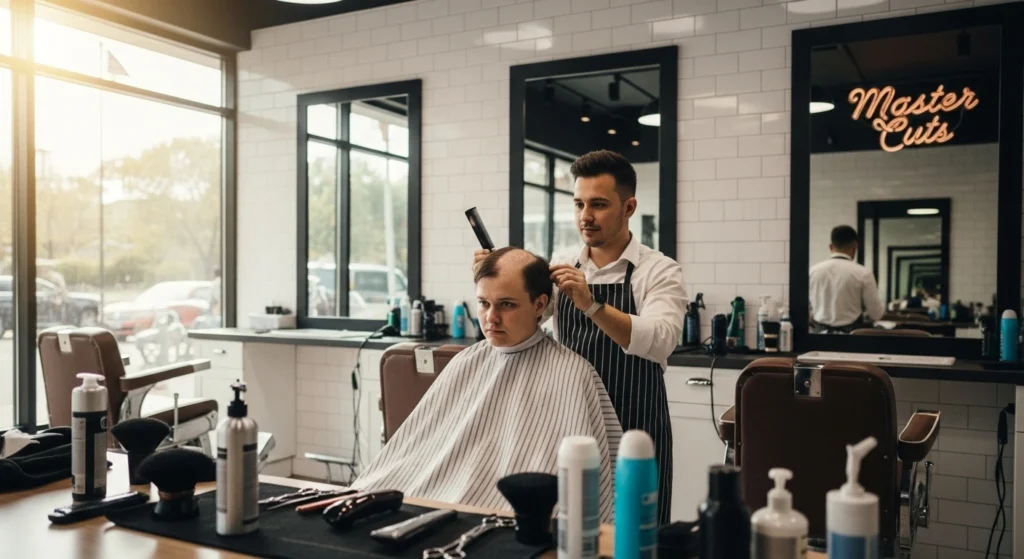
Apostrophe hair loss is a type of hair thinning or hair loss that often results from various underlying factors, including hormonal imbalances, genetics, and certain medical conditions. Unlike typical pattern baldness, apostrophe hair loss is often associated with specific triggers, such as sudden lifestyle changes, medications, or stress. It’s crucial to understand the unique nature of this condition to address it correctly.
The Science Behind Apostrophe Hair Loss
Apostrophe hair loss, like many other forms of hair thinning, occurs when hair follicles become weak and stop growing new hair. Hormonal fluctuations, such as those related to thyroid disorders or stress, can cause these follicles to shrink, leading to noticeable hair thinning. The name “apostrophe” itself might refer to the way the hair loss manifests in certain areas of the scalp, resembling the shape of an apostrophe.
Symptoms and Early Signs
Apostrophe hair loss is typically characterized by thinning patches of hair, often on the crown or temples. People with this condition may notice increased hair shedding when brushing or washing their hair. The early stages of apostrophe hair loss can be subtle, but paying attention to changes in hair density can help you catch it early.
Causes of Apostrophe Hair Loss
Understanding the causes of apostrophe hair loss is key to determining the most effective treatment. The condition can stem from multiple factors that may be both internal (hormonal or medical) and external (environmental or lifestyle-related).
Hormonal Imbalance and Genetics
Hormonal shifts, particularly in women, can trigger apostrophe hair loss. Conditions like polycystic ovary syndrome (PCOS), menopause, or pregnancy-related hormone changes can disrupt the normal hair growth cycle. Genetics also plays a significant role, as those with a family history of hair loss are more prone to developing apostrophe hair loss.
Medical Conditions and Medications
Several medical conditions are linked to apostrophe hair loss, including thyroid disorders, autoimmune diseases like alopecia areata, and anemia. Certain medications, particularly those used to treat high blood pressure or depression, may also cause hair thinning as a side effect.
Environmental Factors
External factors such as poor diet, excessive heat styling, and environmental pollution can damage hair follicles and exacerbate hair thinning. Additionally, stress, both physical and emotional, is a major contributor to hair loss.
How to Treat Apostrophe Hair Loss
There are several approaches to managing apostrophe hair loss, ranging from over-the-counter treatments to professional interventions. The most effective solution will depend on the underlying cause of the hair loss.
Topical Treatments and Medications
One of the most common treatments for alopecia hair loss is minoxidil, an over-the-counter topical solution that stimulates hair growth by improving blood circulation to the scalp. For more severe cases, oral medications like finasteride can help regulate hormonal imbalances that may be contributing to hair loss.
Natural Remedies and Lifestyle Changes
In addition to medications, some individuals find success with natural remedies. Essential oils like peppermint and rosemary have been shown to promote hair growth when massaged into the scalp. Furthermore, a balanced diet rich in vitamins such as biotin, zinc, and iron can help strengthen hair follicles and reduce shedding.

Professional Treatments: PRP and Hair Transplants
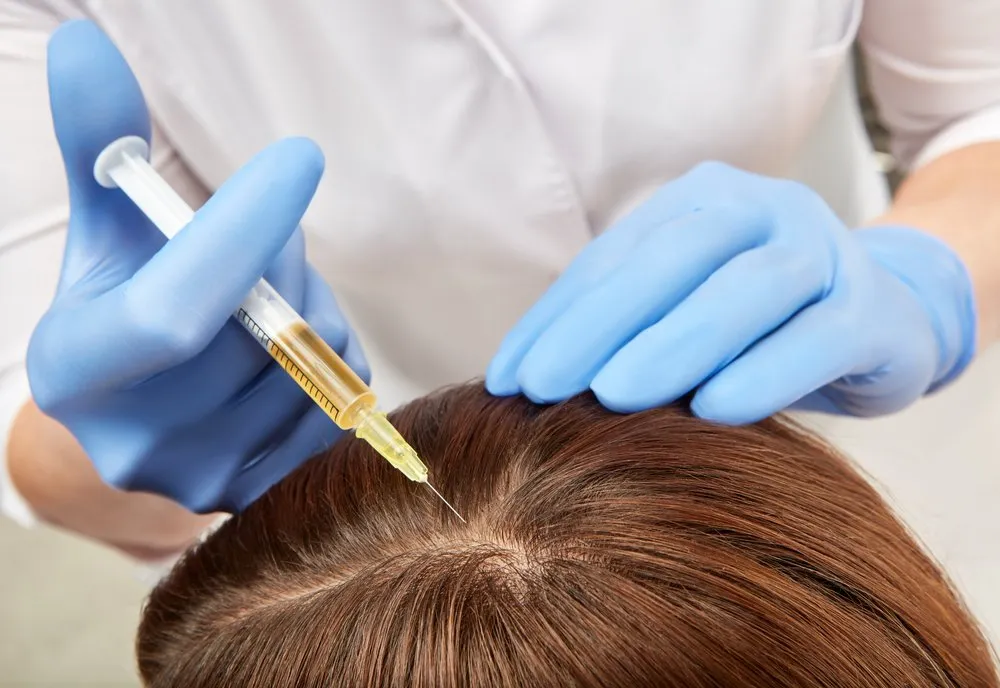
If other treatments are ineffective, professional procedures like Platelet-Rich Plasma (PRP) therapy and hair transplants can provide long-term solutions. PRP therapy involves injecting your own platelets into the scalp to stimulate hair growth, while hair transplants involve relocating healthy hair follicles to thinning or balding areas.
Preventing Apostrophe Hair Loss
While it’s not always possible to prevent apostrophe hair loss, there are several steps you can take to minimize your risk.
Managing Stress and Hormonal Health
Since stress and hormonal changes are key contributors to hair loss, managing your stress levels through relaxation techniques like yoga and meditation can be beneficial. Additionally, maintaining hormonal health through proper medical care and nutrition can help prevent hair thinning associated with hormonal imbalances.
Hair Care Routine and Diet Tips
Using gentle hair care products and avoiding excessive heat styling can prevent further damage to your hair. A diet rich in proteins, omega-3 fatty acids, and antioxidants can nourish your hair follicles and promote healthy growth.
Recovery Timeline for Apostrophe Hair Loss
Understanding the recovery timeline is essential for setting expectations and managing hair loss effectively.
When to See Results from Treatments
It typically takes 3-6 months for treatments like minoxidil to show noticeable results. For more invasive procedures like hair transplants, hair regrowth may take 6-12 months. PRP therapy often shows results within 3-4 months, with continued improvement over time.
Long-Term Management and Maintenance
Once your hair regrows, long-term maintenance is necessary to prevent future hair loss. Continued use of topical treatments, along with a balanced diet and stress management, can help sustain healthy hair growth.
FAQs About Apostrophe Hair Loss
Is apostrophe hair loss reversible?
How do I know if I have apostrophe hair loss?
Can I prevent apostrophe hair loss?
Next Step
If you’re struggling with apostrophe hair loss, don’t wait for the condition to worsen. Book a consultation with Dr. Rana Irfan in Islamabad today to ensure a smooth and successful recovery after your hair transplant or hair loss treatment.
Conclusion
Apostrophe hair loss can be a challenging condition to deal with, but with the right treatment and care, it is entirely manageable.
Whether you’re using topical solutions, considering a hair transplant, or simply looking to improve your overall hair health, this guide provides the information and expert insights you need to make informed decisions.
Remember, recovery takes time, but with the right steps, you can restore your hair and regain your confidence.