
Are you struggling with sudden, patchy hair loss? Top Medications for Alopecia Areata in 2025: What Works Best? offers targeted treatments to help control autoimmune attacks on hair follicles and promote regrowth.
Whether you’re seeking fast symptom relief, reduced hair fall, or long-term management, the right medication can make a difference.

Backed by dermatological expertise and clinical research, these treatments provide hope for those battling unpredictable hair loss. Discover how alopecia areata medication can restore your confidence and support healthier hair, with trusted solutions recommended by hair specialists worldwide.
Top Medications for Alopecia Areata in 2025: What Works Best?
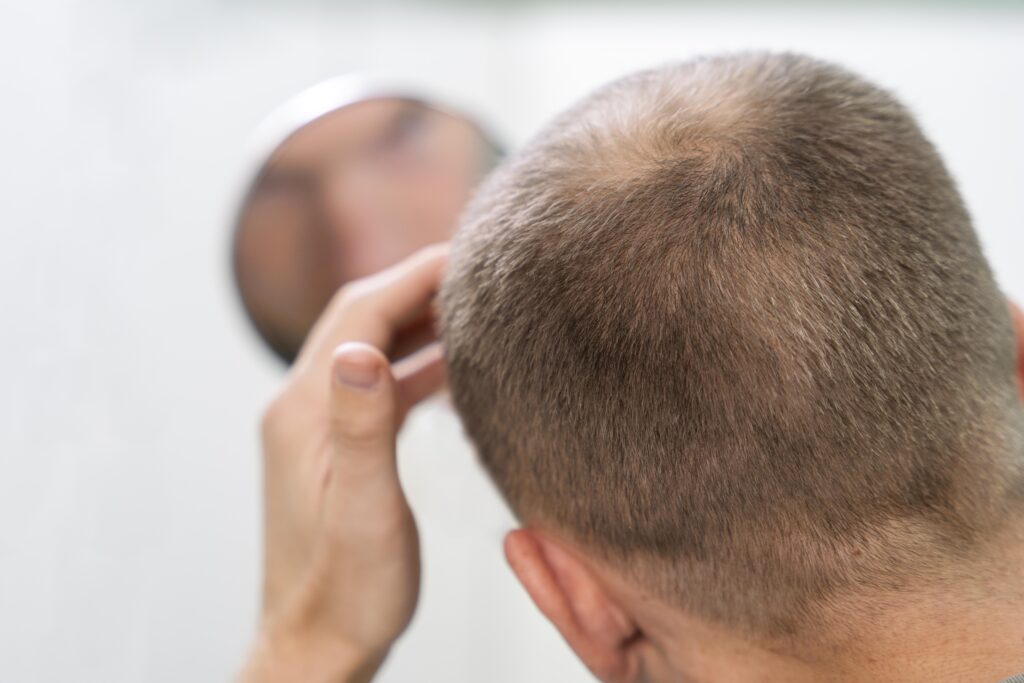
Alopecia areata is an autoimmune disorder in which the immune system mistakenly attacks healthy hair follicles, leading to hair loss. It affects both men and women and may begin suddenly, sometimes with a single bald patch or more widespread shedding.
Key Features:
- Autoimmune in origin
- May affect scalp, face, or body hair
- Can be temporary or chronic
- Often occurs without pain or discomfort
Common Medications Used for Alopecia Areata
Treatment depends on the severity, age, and response to prior therapy. Below are the most commonly prescribed medications:
1. Topical Corticosteroids
Applied directly to bald patches, these help reduce inflammation and immune activity at the hair follicle level.
- Examples: Clobetasol propionate, Betamethasone
- Usage: Creams, ointments, or lotions
- Best for: Mild to moderate localized alopecia
2. Intralesional Corticosteroid Injections
For small patches, corticosteroids can be injected directly into the scalp.
- Common Agent: Triamcinolone acetonide
- Frequency: Every 4–6 weeks
- Results: May promote regrowth in weeks
3. Oral Corticosteroids
These are sometimes prescribed for more extensive hair loss or rapidly spreading cases.
- Usage: Short-term treatment to suppress immune attack
- Caution: Long-term use may carry side effects
4. Topical Minoxidil (5%)
Although originally used for androgenetic alopecia, Minoxidil may also stimulate regrowth in alopecia areata.
- Application: Twice daily
- Benefit: Non-invasive, over-the-counter option
- Note: Often used in combination with other treatments
5. Immunotherapy (DPCP/DNCB)
A sensitizing agent stimulates an immune response that distracts the body from attacking the follicles.
- Usually offered in specialist clinics
- Effective for extensive or relapsing alopecia
6. JAK Inhibitors (Tofacitinib, Baricitinib)
These oral medications block immune pathways involved in alopecia areata.
- Recent advancements in treatment
- Baricitinib approved by the FDA for severe cases
- Monitoring is required for side effects
Who Is a Candidate for Alopecia Areata Medication?
You may benefit from medication if:
- You are experiencing sudden patchy hair loss
- You have been diagnosed with alopecia areata
- You are not ready for surgical options
- You are seeking non-invasive treatment with medical supervision
What to Expect From Treatment
While results vary by individual, many patients see improvements within a few months of consistent treatment. It’s important to note:
- No guaranteed regrowth
- Early intervention often yields better outcomes
- Maintenance treatment may be required to prevent recurrence
Personalized Alopecia Care in Islamabad
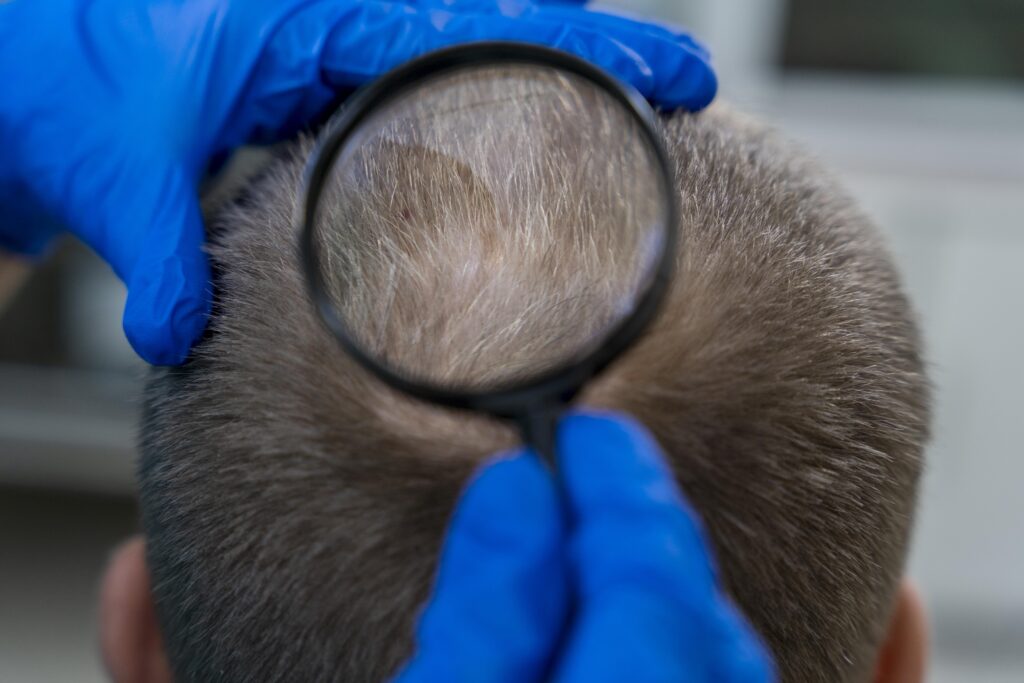
At our Islamabad-based clinic, Dr. Rana Irfan combines clinical expertise with advanced diagnostics to identify the most effective strategy for managing alopecia areata. As a diplomate of ABHRS (American Board of Hair Restoration Surgery) and a member of ISHRS (International Society of Hair Restoration Surgery), Dr. Irfan ensures ethical, evidence-based care that respects each patient’s medical needs and expectations.
Services Offered:
- Clinical evaluation and diagnosis
- Topical and injectable treatment plans
- PRP therapy for supporting hair regrowth
- Supportive therapies for chronic cases
Support for Local and International Patients
Whether you’re based in Islamabad or visiting from abroad for medical tourism, our clinic offers:
- Multilingual support
- Assistance with scheduling and logistics
- High standards of patient confidentiality and care