
Summary
This blog compares Robotic vs Manual FUE hair transplants, explaining how each method works, its pros and cons, and which suits different hair types and budgets.
It highlights differences in graft survival, recovery, cost, and natural results, with expert insights and case studies. The article also provides recovery timelines, FAQs, and a guide to choosing the right option with professional advice.
Introduction
Thinking about a hair transplant but unsure whether Robotic vs Manual FUE is the right choice? Manual FUE relies on a surgeon’s precision, while robotic FUE uses AI-guided automation for graft harvesting.
In this article, you’ll learn the pros, cons, and differences between both techniques, backed by expert input and patient-focused insights. By the end, you’ll know which method best suits your hair type, budget, and long-term goals.
What Is FUE and Why Does It Matter
Basics of Follicular Unit Extraction (FUE)
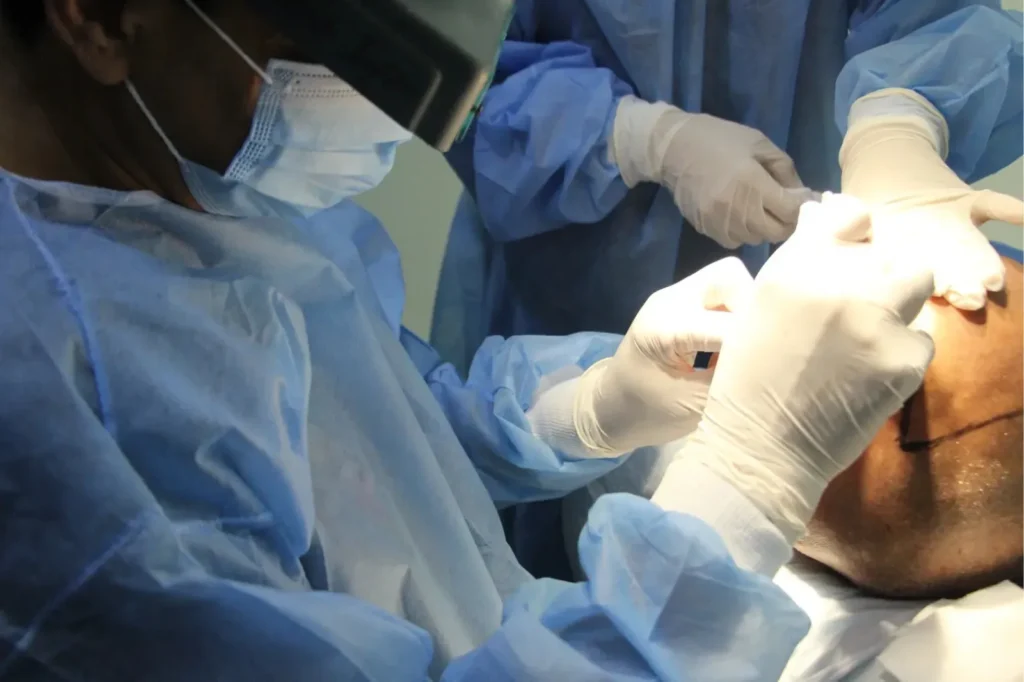
FUE (Follicular Unit Extraction) is a modern hair transplant method that involves extracting individual follicular units from the donor area and implanting them into thinning regions. Unlike FUT, it leaves minimal scarring and ensures quicker healing.
Historical Evolution from Manual to Robotic
Initially, all FUE procedures were performed manually. Surgeons used small handheld punches to extract follicles. With time, robotic systems such as ARTAS were developed to assist with speed, accuracy, and reduced surgeon fatigue.
Key Metrics in Evaluating FUE
Success is measured by graft survival rate, transection rate (damage to follicles during extraction), and donor preservation. These metrics remain central when comparing robotic and manual approaches.
How Manual FUE Works: Process, Pros & Cons
Step-by-Step Manual FUE
- Donor area trimmed and numbed.
- A surgeon uses a handheld punch tool to loosen follicular units.
- Follicles were extracted one by one.
- Grafts are placed into tiny incisions at the recipient site.
Advantages of Manual FUE
- Customization and artistry: Surgeons adjust angles and depth in real-time.
- Works on complex cases: Ideal for curly, Afro-textured, or scarred scalps.
- Tactile feedback: Surgeons can sense resistance and adapt immediately.
Limitations of Manual FUE
- Time-consuming, especially for large sessions.
- Surgeon fatigue may affect consistency.
- Greater dependence on individual skill level.
How Robotic FUE Works: Mechanics, Benefits & Challenges
The Robotic Process
Robotic systems use cameras, algorithms, and a robotic arm to identify, align, and extract follicles with high precision. The ARTAS system is the most recognized.
Advantages of Robotic FUE
- Efficiency: Faster extraction of large graft numbers.
- Consistency: Reduces variability linked to human fatigue.
- Patient comfort: Shorter procedure times in many cases.
Limitations of Robotic FUE
- Struggles with curly or angled follicles.
- Expensive due to machine cost and licensing fees.
- Still requires surgeon oversight for design and implantation.
Side-by-Side Comparison: Robotic vs Manual FUE
Graft Survival & Transection Rate
Manual often has higher survival in challenging cases, while robotic provides stable results in ideal straight-hair donors.
Naturalness & Hairline Design
The manual gives surgeons more control in artistic hairline creation. Robots cannot replace human judgment here.
Procedure Duration & Comfort
Robotic FUE can shorten extraction time, but overall procedure length is similar since implantation remains manual.
Suitability by Hair Type
- Straight, thick hair → robotic suitable.
- Curly or scarred tissue → manual preferred.
Cost Comparison
Robotic procedures generally cost more due to technology expenses. Manual FUE is often more budget-friendly, but it depends on the clinic’s expertise.
Long-Term Outcomes
Both methods deliver lasting results if performed by skilled teams. Hybrid approaches (robotic extraction + manual placement) are becoming popular.
Choosing What’s Right for You
Questions to Ask Your Surgeon
- What method do you recommend for my hair type?
- What is your experience with both techniques?
- Can you show patient results similar to my case?
Red Flags to Avoid
- Clinics relying solely on marketing robotic systems without skilled surgeons.
- Unrealistic promises of “scar-free” or “instant” results.
Combining Methods
Some clinics use robotics for extraction and manual for implantation, offering the best of both worlds.
Cost–Benefit Considerations
Factor in not just the upfront price, but also the surgeon’s skill, graft survival, and long-term naturalness.
Recovery, Aftercare & Timeline (Both Methods)
Immediate Post-Op: What to Expect
Swelling, redness, and crusting are common in the first week. Avoid touching or scratching grafts.
When to Wash, Sweat, or Exercise
- Gentle wash after 3 days.
- Avoid sweating, gyms, or running for 10–14 days.
- Resume light exercise after 2 weeks, heavy workouts after 1 month.
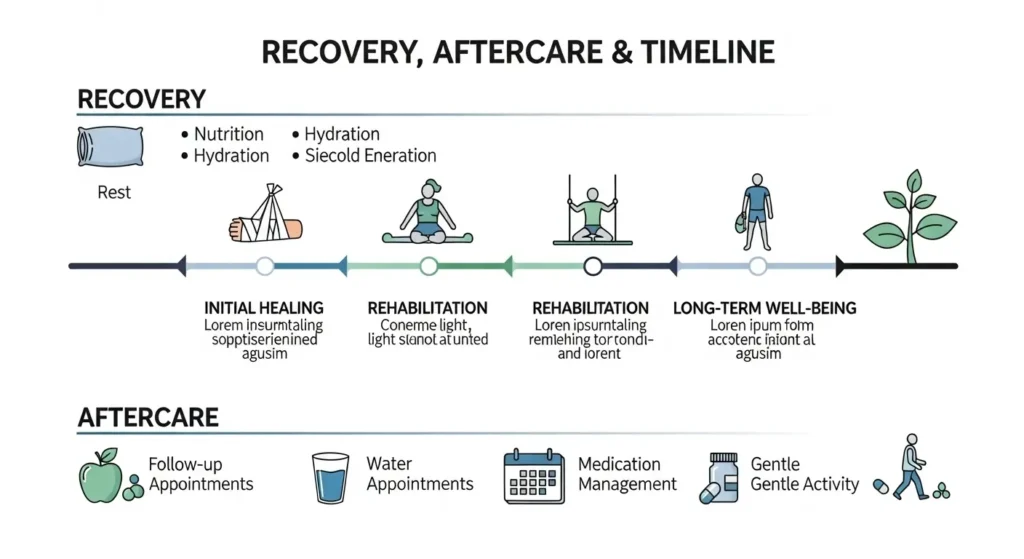
Safe Recovery Chart
- Day 1–7: Redness, swelling, scabs form.
- Week 2: Crusts fall off, grafts secure.
- Months 1–3: Shedding phase.
- Month 4–12: New growth, density builds.
Pro Tips for Better Recovery
- Sleep with head elevated first few nights.
- Use prescribed antibiotics and anti-inflammatories.
- Follow a nutrient-rich diet to support healing.
Frequently Asked Questions (FAQ)
Is robotic FUE safer than manual?
Which method has faster recovery?
Can robotic FUE work on curly hair?
Do robotic cost more?
Can the two methods be combined?
When will I see the final results?
Next Step
Both robotic and manual FUE have unique advantages. Manual excels in artistry and adaptability, while robotic offers efficiency and consistency.
The ideal choice depends on your hair type, budget, and surgeon’s expertise. Always consult a qualified specialist before deciding.
Ready to restore your confidence? Book a consultation with Dr. Rana Irfan in Islamabad today and get expert guidance on whether robotic or manual FUE is right for you. A personalized scalp assessment will help you make the best decision for lasting, natural results.