
Summary
Ketosis can sometimes cause temporary hair loss due to nutrient deficiencies, stress, or hormonal changes. However, this shedding typically resolves within 3–6 months as the body adjusts.
Ensuring a balanced diet with adequate protein, managing stress, and considering supplements can help prevent or manage hair loss during ketosis. If hair loss persists, consulting a healthcare professional is recommended.
Introduction
If you’ve recently adopted the ketogenic (keto) diet and noticed hair thinning or shedding, you’re not alone. Many individuals experience temporary hair loss while transitioning into ketosis.
This article explores the connection between ketosis and hair loss, offering insights into causes, recovery timelines, and solutions. By understanding why this happens, you can make informed decisions to support your hair health during your keto journey.
What Is Ketosis and How Does It Affect Hair Growth?
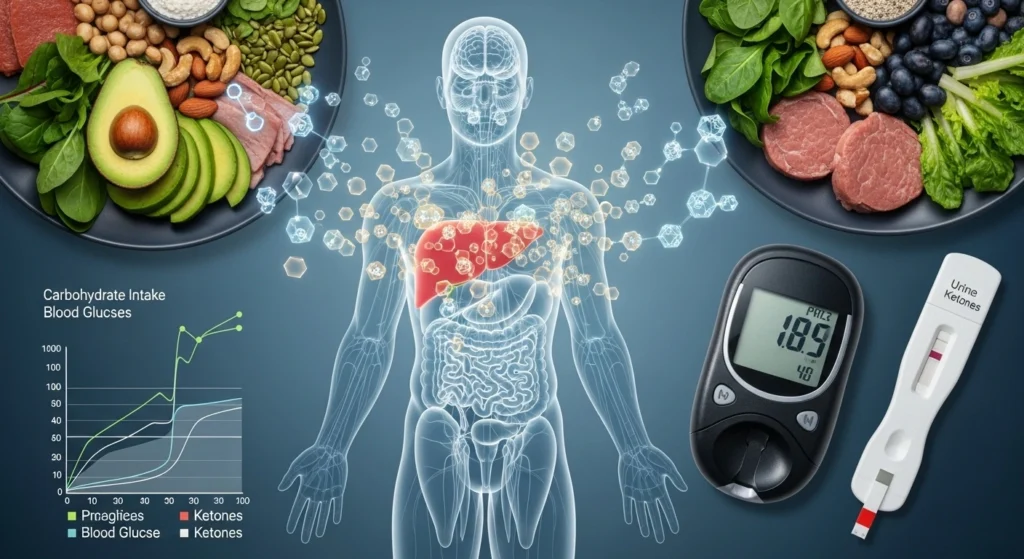
The Science of Ketosis
Ketosis is a natural metabolic state that occurs when the body switches from burning carbohydrates to burning fat for energy. This happens when carb intake is drastically reduced, forcing the body to produce ketones from stored fat. While ketosis can have numerous health benefits, it can also put stress on the body, including the hair follicles.
Impact on Hair Follicles
During the initial phases of ketosis, the body goes through significant changes, including hormonal fluctuations and nutrient imbalances. These changes can affect the hair growth cycle, leading to an increase in hair shedding.
Ketosis primarily impacts the hair follicles by disrupting the normal hair growth phases, specifically causing an increase in telogen effluvium, a temporary shedding of hair triggered by stress or dietary changes.
Common Causes of Hair Loss on a Ketogenic Diet
Nutrient Deficiencies
One of the most common reasons for hair loss on the keto diet is a deficiency in essential nutrients. While keto emphasizes low-carb, high-fat foods, it can often lead to insufficient intake of vitamins and minerals crucial for hair health. Biotin, zinc, and iron are vital for maintaining strong, healthy hair, and their deficiencies can lead to thinning or shedding.
Caloric and Protein Intake
Hair requires adequate protein and calories for growth and maintenance. On the keto diet, some individuals may unintentionally reduce their protein intake in an effort to stay within their carb limits. Since hair is made primarily of protein (keratin), a lack of sufficient protein can cause hair to become weak and more prone to shedding. Ensuring you get enough protein is critical for maintaining hair health during ketosis.
Stress and Hormonal Changes
Stress is a major factor influencing hair health. Starting a new diet, especially one as restrictive as keto, can increase stress levels, which in turn affects hormone balance. This hormonal shift can trigger telogen effluvium, a condition where hair enters the resting phase of growth prematurely, leading to increased shedding.
Is Keto-Related Hair Loss Permanent?
Understanding Telogen Effluvium
Telogen effluvium is often a temporary condition caused by stress, diet changes, or illness. The good news is that hair loss associated with ketosis usually resolves within a few months as the body adjusts to the new metabolic state. Hair follicles that enter the shedding phase during ketosis will eventually return to normal growth cycles once the body stabilizes.
Recovery Timeline
Recovery from keto-related hair loss typically takes 3–6 months. While it may be disheartening to see your hair thin out initially, it’s important to note that new hair growth will likely resume once your body adapts to ketosis. During this period, ensuring proper nutrient intake and managing stress levels will play a vital role in supporting regrowth.
Effective Strategies to Prevent and Manage Hair Loss on Keto
Balanced Nutrient Intake
To prevent nutrient deficiencies, ensure your keto diet is rich in a variety of nutrient-dense foods. Incorporate plenty of leafy greens, avocados, nuts, and seeds to boost your intake of biotin, zinc, iron, and other essential vitamins. Consider taking a multivitamin specifically formulated for people on a ketogenic diet to fill any nutritional gaps.
Adequate Caloric and Protein Consumption
Ensure that you’re consuming enough protein to support hair growth. Aim for approximately 0.8 to 1 gram of protein per pound of body weight to maintain hair strength and prevent excessive shedding. Don’t forget that proper caloric intake is also crucial for overall health and hair maintenance.
Stress Management Techniques
Stress can exacerbate hair loss. Practicing stress management techniques like yoga, deep breathing exercises, and mindfulness meditation can help reduce cortisol levels and minimize its impact on your hair. Adequate sleep is also essential for reducing stress and promoting overall well-being, including healthy hair growth.

Supplementation
Consider adding supplements to your routine that support hair health. Biotin, zinc, collagen, and vitamin D are all beneficial for hair regrowth. Make sure to consult with a healthcare provider to determine which supplements might be best for you, as some may interact with other medications.
When to Consult a Healthcare Professional
Persistent or Severe Hair Loss
If your hair loss continues for more than six months or becomes progressively worse, it’s time to consult a healthcare professional. Prolonged hair loss might indicate an underlying health issue that requires attention.
Underlying Health Conditions
Conditions like thyroid imbalances or hormonal disruptions can also contribute to hair loss. If you suspect that your hair loss may be related to something other than the keto diet, a doctor can conduct tests to rule out any medical conditions that could be affecting your hair.
Expert Recovery Tips
Gradual Dietary Adjustments
If you’re worried about hair loss, consider easing into the keto diet rather than making drastic changes. Gradually reducing your carb intake gives your body time to adjust without causing too much stress or shock to the system.
Regular Monitoring
Keep track of your hair health and diet, noting any changes in your hair texture or shedding. This will help you identify patterns and make adjustments early if you notice any concerning signs.
FAQs
Can I Prevent Hair Loss Before Starting Keto?
Are There Keto-Friendly Foods That Promote Hair Health?
How Can I Differentiate Between Normal Shedding and Hair Loss?
Conclusion
If you’re experiencing hair loss due to ketosis or any other dietary change, it’s important to consult a healthcare professional to assess your nutritional needs and overall health. Book a consultation with Dr. Rana Irfan today to ensure a smooth and successful recovery during your keto journey.
Understanding ketosis and its potential effects on hair loss can empower you to make the right decisions for both your health and hair. By managing your diet, reducing stress, and ensuring proper nutrient intake, you can prevent or manage keto-related hair loss and enjoy the benefits of your ketogenic lifestyle without compromising your hair health.