
If you’re researching exosomes’ hair loss side effects, you’re likely curious but cautious about this trending treatment. Exosome therapy is a regenerative technique designed to stimulate hair regrowth, but like any medical procedure, it comes with potential side effects.
The most common include temporary redness, swelling, or shedding, while rare risks involve infection or allergic reactions. This guide explains the science, side effects, and expert safety tips so you can make informed decisions and choose trusted providers.
What Are Exosomes and How Are They Used for Hair Loss?
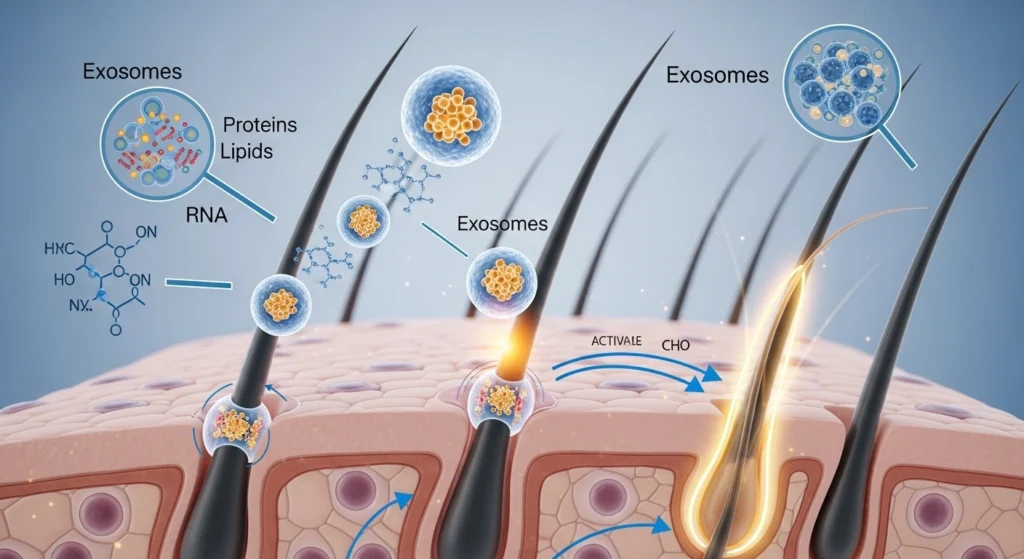
Definition & Biological Role
Exosomes are tiny vesicles naturally released by cells. They carry proteins, growth factors, and genetic material that help cells communicate and repair tissues. In regenerative medicine, exosomes are believed to trigger healing and promote hair follicle activity.
Types of Exosome Sources
- Mesenchymal stem cell-derived exosomes: Most commonly used in hair treatments.
- Autologous exosomes: Derived from a patient’s own cells, though less common.
- Other sources: Plant- or animal-derived vesicles are being researched but not widely used.
Common Delivery Methods
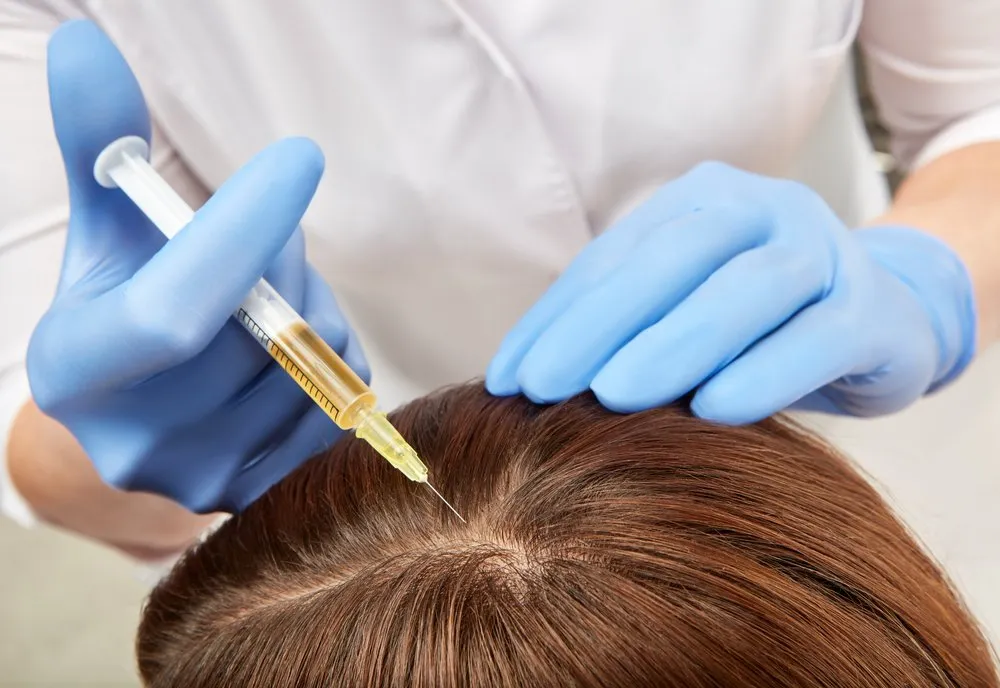
- Scalp injections: The most common method for targeted delivery.
- Microneedling-assisted application: Improves absorption into the scalp.
- Topical serums: Experimental and less studied for efficacy.
Common Exosomes Hair Loss Side Effects
Most side effects are mild and short-lived. Here’s what patients commonly experience:
Local Reactions – Redness, Swelling, Tenderness, Sensitivity
These occur at the injection site and usually resolve within 1–3 days. A cold compress and gentle scalp care can help.
Temporary Hair Shedding
Some patients report an initial shedding phase. This is similar to what happens with treatments like minoxidil old hairs fall out before stronger, healthier ones grow.
Mild Pain or Discomfort at Injection Site
A dull ache, itching, or tightness may appear after treatment. Over-the-counter pain relievers or prescribed topical ointments usually manage it.
Less Common or Serious Risks
While rare, more serious side effects are possible:
Infection and Inflammatory Complications
If exosomes are not prepared or handled correctly, bacterial contamination can cause scalp infections or inflammation. This risk is minimized with sterile techniques and certified providers.
Allergic or Immune Reactions
Although uncommon, reactions like itching, rash, or swelling may indicate sensitivity to exosome products or carrier solutions.
Unknown Long-Term Effects and Safety Concerns
Exosome therapy is still new. Long-term studies are limited, meaning risks that develop years later are not fully understood.
Potential for Genetic Material Transfer or Pathogen Risk
Exosomes can carry genetic material. If purification is inadequate, there’s a theoretical risk of transmitting pathogens or unwanted genetic signals.
Serious Adverse Events Reported in Dermatology Contexts
A handful of published case reports mention significant complications linked to exosome-based dermatology treatments, highlighting the importance of ongoing research.
What the Research & Clinical Reviews Reveal
Summary of Clinical Evidence & Review Data
- Clinical studies are limited in scale.
- Reported side effects are mostly mild (redness, swelling).
- A 2024 PubMed review noted 10 serious adverse events across dermatology uses of exosomes, though hair-related events were rare.
Expert Warnings: Regulatory Gaps & Lack of Standardization
- Exosome therapies are not FDA-approved for hair loss.
- Regulatory oversight is inconsistent across countries.
- Experts stress the importance of standardized preparation and clinical protocols.
Real-World Cases & Media Coverage
- FDA warnings have been issued against unapproved exosome products.
- The UK banned exosome treatments derived from human cells in 2025 due to safety concerns.
- Media outlets highlight both success stories and cautionary tales, reflecting ongoing debate.
Minimizing Risks: Best Practices for Safety & Efficacy
To reduce risks, follow these steps:
Choose Qualified Medical Providers & Facilities
Always select board-certified specialists with experience in regenerative medicine.
Ask About Source, Storage, Sterility & Handling Protocols
Questions to ask your provider:
- Where are the exosomes sourced from?
- Are they purified and certified?
- What protocols are used to ensure sterility?
Follow Aftercare and Monitoring Instructions
- Avoid scratching or massaging the scalp for 48 hours.
- Use only recommended shampoos or serums.
- Report any unusual reactions immediately.
Combine with Other Therapies When Appropriate
Exosomes may work best when paired with established options like:
- PRP (Platelet-Rich Plasma)
- Minoxidil
- Low-level laser therapy (red light treatment)
Clinical Trial Data & Timeline Charts
- Visible improvements: 3–6 months after treatment.
- Peak results: Around 12 months with maintenance sessions.
Patient Case Summaries or Anecdotes
- Some patients report increased hair density within months.
- Others saw temporary shedding before growth stabilized.
Regulatory Citations & Safety Alerts
- FDA cautions against unapproved exosome use.
- UK regulators banned certain treatments in 2025.
Frequently Asked Questions (FAQs)
Q: What are the typical and rare side effects of exosome hair therapy?
Q: How long do side effects like redness or shedding last?
Q: Are there serious risks reported from exosome treatments?
Q: How can I verify that the exosomes are safe and properly handled?
Q: Is exosome treatment FDA-approved or regulated?
Next Steps
If you’re considering exosome therapy, it’s crucial to balance potential benefits with possible side effects. Don’t risk your safety with unregulated clinics.
Book a consultation with Dr. Rana Irfan in Islamabad today to explore safe, effective options for hair restoration, whether through advanced hair transplants, PRP, or other approved treatments. Your hair and your health deserve expert care.