
Summary
Can Saxenda Cause Hair Loss? Saxenda is not officially linked to hair loss, but some users report shedding due to rapid weight loss, nutritional deficiencies, or stress.
Clinical trials did not list hair loss as a side effect, and most cases are temporary. With proper nutrition, gradual weight loss, and medical guidance, hair typically regrows.
Consulting a dermatologist or endocrinologist can help manage concerns effectively.
Introduction
Experiencing unexpected shedding while on a weight-loss injection can be alarming. Many wonder, can Saxenda cause hair loss?
While clinical trials did not list hair loss as a common side effect, some users report thinning or shedding. This article explores the evidence, possible causes, and practical steps to protect your hair. You’ll learn about timelines, nutritional support, expert recommendations, and when to consult a specialist.
What Is Saxenda (Liraglutide) & How Does It Work?
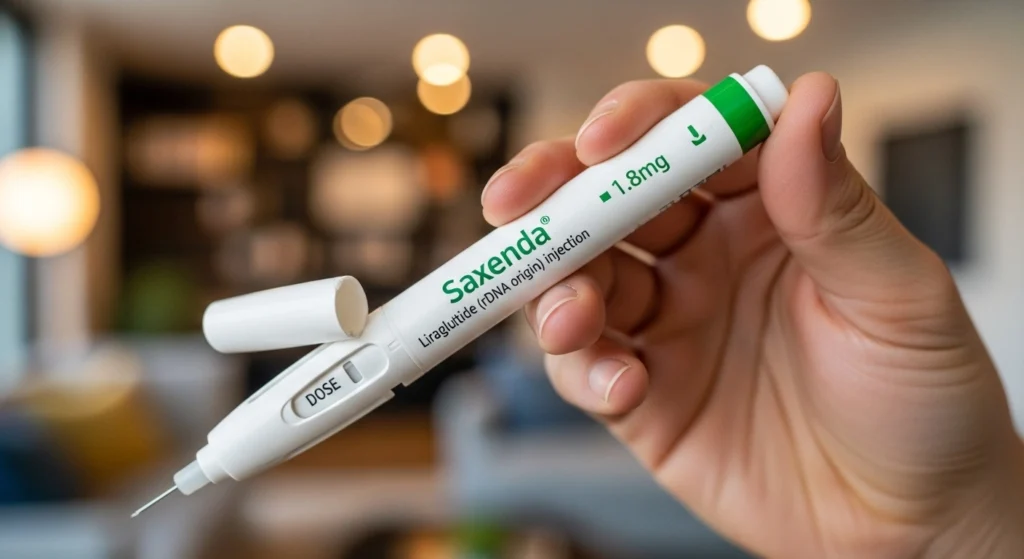
Saxenda is a prescription medication containing liraglutide, a GLP-1 receptor agonist. It is commonly prescribed to help adults with obesity or overweight achieve sustained weight loss.
Mechanism of Action
- Saxenda works by mimicking the GLP-1 hormone, which regulates appetite and satiety.
- It slows gastric emptying, reduces hunger, and supports healthier eating patterns.
Approved Uses
- Long-term weight management in adults with obesity.
- Sometimes prescribed for individuals with type 2 diabetes or metabolic syndrome.
Common Side Effects
Clinical trials reported:
- Nausea
- Vomiting
- Diarrhea
- Constipation
- Fatigue
- Injection site reactions
Hair loss was not a reported side effect in major clinical studies.
Is Hair Loss a Known Side Effect of Saxenda?
Clinical Trial Data
According to official prescribing information, hair loss was not documented in clinical trials of Saxenda.
FDA & Medical References
- The FDA Adverse Event Reporting System has some anecdotal reports of hair shedding, but they are rare and not statistically conclusive.
- Mayo Clinic lists “loss or thinning of the hair” as a side effect under the category “incidence not known.”
Why Some People Report Hair Loss While on Saxenda
If Saxenda itself doesn’t directly cause hair loss, why do some people notice shedding?
Rapid Weight Loss and Telogen Effluvium
- Rapid or significant weight loss can shock the body, pushing hair follicles into the telogen (resting) phase.
- This leads to telogen effluvium, a temporary but noticeable shedding condition.
Nutritional Deficiencies
Weight loss can sometimes lead to:
- Low iron or ferritin
- Zinc deficiency
- Protein insufficiency
- Vitamin D or biotin deficiency
These deficiencies may weaken hair follicles and trigger thinning.
Hormonal & Metabolic Factors
- Fluctuations in thyroid levels, insulin sensitivity, or cortisol during weight loss may also contribute.
Other Contributing Factors
- Genetics and family history of hair loss
- Stress, illness, or other medications
Timeline: When Hair Loss Might Appear & Recovery Expectations
Onset of Shedding
- Hair loss typically appears 2–3 months after rapid weight loss or a major body stressor.
Duration of Shedding
- Shedding can last 3–6 months but usually stabilizes once the body adjusts.
Regrowth Expectations
- Most cases are temporary, with regrowth starting after nutritional balance and weight stabilization.
How to Minimize Hair Loss While Using Saxenda
Gradual, Sustainable Weight Loss
- Avoid extreme calorie restriction.
- Aim for steady progress under medical guidance.
Nutrition Tips
- Eat a protein-rich diet (lean meats, legumes, eggs).
- Ensure adequate iron, zinc, and vitamin D intake.
- Consider supplements if deficiencies are confirmed.

Gentle Hair Care
- Avoid tight hairstyles and harsh chemical treatments.
- Minimize heat styling.
- Use mild, strengthening shampoos.
Stress & Lifestyle Support
- Manage stress through yoga, mindfulness, or exercise.
- Prioritize quality sleep.
Professional Options
- Dermatologists may suggest topical treatments like minoxidil.
- PRP (platelet-rich plasma) therapy or microneedling can be considered in persistent cases.
What to Do If You Notice Hair Loss on Saxenda
Monitor & Track Changes
- Keep a log of when hair shedding starts, its severity, and any triggers.
Medical Testing
Doctors may recommend:
- Complete blood count (CBC)
- Ferritin and iron levels
- Thyroid panel
- Zinc and vitamin D
Consult a Specialist
- A dermatologist can confirm whether it’s telogen effluvium, androgenetic alopecia, or another cause.
- An endocrinologist can review Saxenda’s role and overall metabolic health.
Adjusting Medication
- Do not stop Saxenda suddenly without medical advice.
- Discuss dose adjustments or alternative GLP-1 medications with your physician.
Expert Perspectives & Medical Evidence
- Dermatology insight: According to specialists like Dr. Rana Irfan, hair loss during weight reduction is more often linked to nutritional or stress factors than the medication itself.
- Clinical evidence: Published case reports suggest GLP-1 drugs rarely cause direct follicular damage.
- Research gap: More long-term studies are needed to confirm whether Saxenda contributes directly to shedding.
FAQs About Saxenda & Hair Loss
Will my hair grow back if I lose it while on Saxenda?
How much hair loss is normal?
Does hair loss mean I should stop Saxenda?
Do other GLP-1 drugs like Ozempic or Wegovy cause hair loss?
Who is more at risk?
Next Step
If you’re experiencing hair loss while using Saxenda, don’t panic; it’s often temporary and manageable. For a professional evaluation of your hair and overall health, book a consultation with Dr. Rana Irfan in Islamabad today. Our team specializes in addressing medication-related hair concerns and can help you protect your results during weight management.