
Summary
This blog explores the emerging trends in hair restoration technologies, highlighting breakthroughs like hair cloning, exosome therapy, robotic FUE, AI-driven planning, and genetic profiling.
These innovations promise faster recovery, improved density, and more personalized treatments, while some, like cloning, are still in research.
The article also covers patient journeys, expert insights, FAQs, and practical guidance to help readers choose safe and effective options. A clear CTA encourages booking a consultation for tailored advice.
Introduction
Losing your hair can feel discouraging, but the emerging trends in hair restoration technologies are giving patients new hope.
From cloning hair follicles to AI-powered planning and regenerative therapies, these advances promise more natural results, shorter recovery, and long-lasting improvements.
In this guide, you’ll learn what’s truly next in hair restoration, backed by expert insights, patient-focused advice, and medically accurate details.

Why Innovation in Hair Restoration Matters
The limitations of traditional methods
For decades, hair transplants relied on strip harvesting or early forms of follicular unit extraction (FUE). While effective, these methods often left visible scars, required long recovery times, and sometimes produced less natural results.
Unmet needs patients still face
Many people want fuller density, quicker recovery, and less invasive options. Some suffer from advanced hair loss stages where donor supply is limited. These gaps drive the push for new technologies.
Growing demand worldwide
Global forecasts predict the hair restoration market will surpass $30 billion by 2030. This demand, combined with scientific progress, fuels innovation at an unprecedented pace.
Key Emerging Trends in Hair Restoration Technologies
Hair Cloning and Hair Multiplication
Hair cloning uses stem cells to replicate new follicles in a lab. Scientists can potentially culture unlimited grafts, making it a breakthrough for patients with limited donor areas.
While clinical trials are ongoing, most experts estimate commercial use is still several years away.
Regenerative & Biologic Therapies (Exosomes, Stem Cell Secretomes)
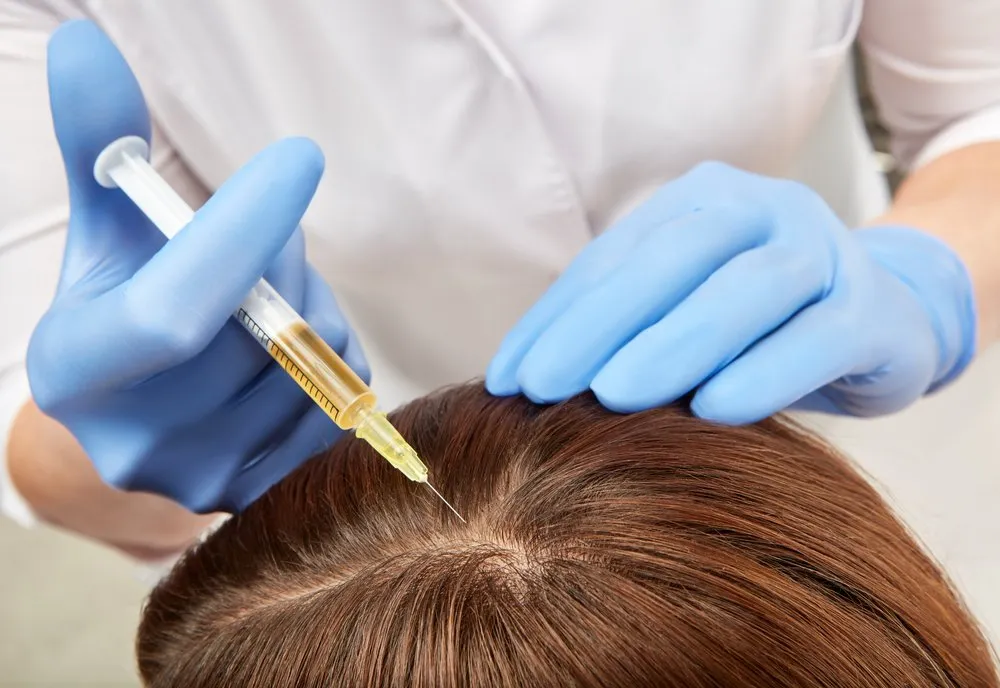
Exosome therapy is gaining attention as a powerful alternative to platelet-rich plasma (PRP). These nano-vesicles contain growth signals that may stimulate dormant follicles and speed healing after transplant. Compared to PRP, exosomes appear more potent, but research is still early.
AI, Predictive Modeling & Digital Planning
AI scalp mapping tools now predict future hair loss patterns, optimize graft placement, and simulate final results. 3D imaging allows patients to preview outcomes before surgery, making consultations more transparent and personalized.
Robotic & Automated FUE Systems
Robotic FUE machines such as ARTAS improve precision by automating graft extraction and placement. Newer techniques like sapphire blades and cold storage solutions enhance graft survival. These tools reduce surgeon fatigue and improve accuracy, but experienced surgeons still oversee every step.
JAK Inhibitors and Novel Topicals
Drugs originally designed for autoimmune conditions are being repurposed to treat alopecia areata. Early trials show promise, though side effects and long-term safety must be carefully monitored.
No-Shave and Long-Hair Transplants
Patients reluctant to shave their heads now benefit from long-hair FUE techniques. This allows them to maintain their appearance during recovery while achieving similar outcomes.
Personalization Through Genetic Profiling
Future treatments may include genetic testing to predict how patients will respond to therapies. This level of precision could minimize wasted time and costs, giving every patient a custom-tailored plan.
How These Trends Impact Outcomes, Risks & Costs
Improved results and graft survival
Techniques like cold storage and exosomes improve graft survival, leading to thicker, more natural results. Robotic systems also reduce errors in extraction.
Risks and safety considerations
While promising, many emerging therapies are still under clinical review. Patients should seek board-certified specialists to ensure safe and ethical care.
Costs and accessibility
Newer methods like exosomes or AI-assisted transplants can cost more initially. However, as they become mainstream, affordability is expected to improve.
Clinical readiness timelines
Robotic FUE and no-shave techniques are widely available now. Exosomes and JAK inhibitors are in clinical practice in some regions. Hair cloning remains experimental.
Patient Journey: From Diagnosis to Treatment
Diagnosis and evaluation
Patients start with scalp scans, trichoscopy, and sometimes blood tests or genetic analysis. This builds a full picture of hair health.
Treatment planning
Surgeons may combine PRP, exosomes, and FUE to maximize outcomes. AI tools further refine where grafts should be placed.
Recovery expectations
Healing from FUE typically takes 7–14 days. With regenerative add-ons, swelling and scabbing may resolve even faster.
Long-term monitoring
Maintenance often includes medications, PRP, or low-level laser therapy to preserve results for years.
How to Choose the Right Approach for You
Choosing a treatment depends on your hair loss stage, donor area quality, and budget. Younger patients may benefit from preventative therapies like PRP or exosomes, while advanced cases may need robotic FUE or combined approaches. A consultation ensures your plan is realistic and safe.
FAQs — What Readers Want to Know
What is the most promising emerging hair restoration technology?
Are hair cloning techniques available now?
How long until results show from exosome therapy?
Will robotic FUE replace human surgeons?
What are the costs of new treatments?
Next Steps
Ready to explore the future of hair restoration? Book a consultation with Dr. Rana Irfan in Islamabad today and receive a personalized assessment using the latest diagnostic tools. Whether you’re curious about exosomes, robotic FUE, or long-hair transplants, our team will help you achieve natural, lasting results.