
Many Pomeranian owners panic when their fluffy companion starts losing fur. Pomeranian hair loss treatment can feel overwhelming, especially if you don’t know whether it’s a normal phase or a serious condition.
In this article, you’ll learn the most common causes of hair loss, proven veterinary treatment options, and realistic recovery timelines. With expert advice, owner experiences, and evidence-based care, you’ll know how to help your Pom regain a full, healthy coat.
Understanding the Causes of Pomeranian Hair Loss
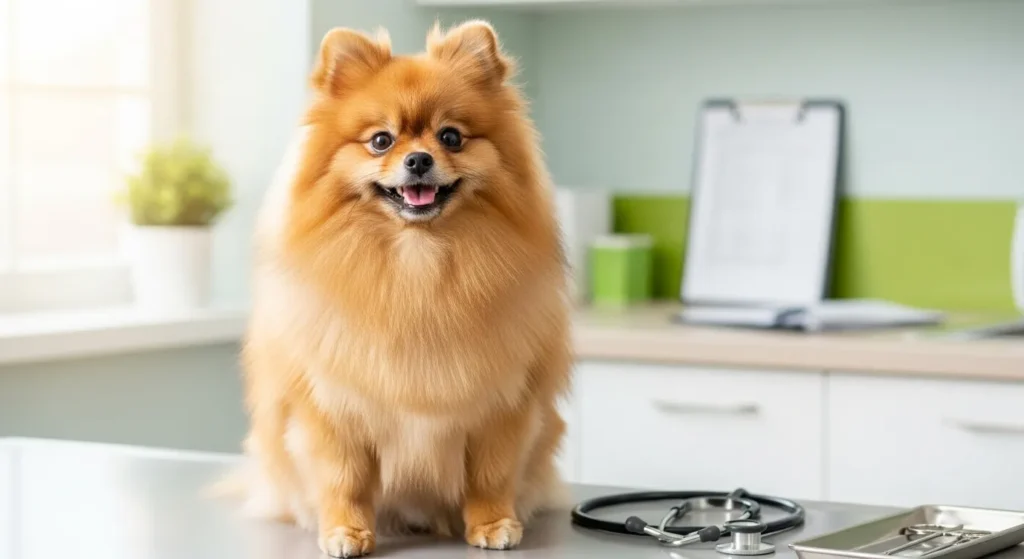
Not all hair loss in Pomeranians signals a medical problem. Some cases are temporary, while others need veterinary care.
Natural and Benign Phases
- Puppy uglies: Between 4–12 months, Pomeranians shed their fluffy puppy coat and grow their adult fur. This temporary patchiness is normal and resolves naturally.
- No treatment is needed—gentle brushing and balanced nutrition support healthy regrowth.
Post-Shaving and Grooming Trauma
- Shaving or close clipping may trigger post-clipping alopecia, where fur grows back very slowly or not at all.
- Regrowth can take 6–24 months, and in some cases, hair never fully returns.
- Prevention tip: Avoid shaving; instead, trim lightly if needed.
Alopecia X (Black Skin Disease)
- A hereditary condition seen in Pomeranians that disrupts the natural hair growth cycle.
- Symptoms: thinning fur on the body, darkened skin, and persistent bald patches.
- This requires veterinary diagnosis and long-term management.
Hormonal & Systemic Causes
- Hypothyroidism, Cushing’s disease, or sex-hormone imbalances may lead to symmetrical bald patches.
- Often accompanied by weight gain, lethargy, or increased thirst/urination.
- Blood tests are essential for accurate diagnosis.
Skin Infections and External Factors
- Allergies, fungal infections, mites, or over-bathing with harsh shampoos can trigger hair loss.
- These usually cause itching, redness, or sores along with fur thinning.
Diagnosing the Problem—When to See a Veterinarian
If your Pomeranian’s coat loss is more than normal shedding, seek veterinary advice.
Recommended Tests
- Blood panel: checks thyroid and hormone function.
- Skin scrapings & fungal cultures: rule out mange or ringworm.
- Hormonal tests: identify Cushing’s or sex hormone imbalances.
Veterinary Dermatologist Referrals
In stubborn or complex cases, a specialist dermatologist may recommend advanced treatments such as microneedling or PRP (platelet-rich plasma).
Proven Pomeranian Hair Loss Treatments
Treatment depends on the underlying cause. Always consult a vet before starting any regimen.
Topical and Skincare Therapies
- Restorative massages with vet-approved creams help stimulate follicles.
- Shampoos/conditioners: use pH-balanced, gentle products with aloe, oatmeal, or coconut oil. Avoid harsh chemicals.
- Bathing should be limited to every 3–4 weeks to protect natural oils.
Nutritional Support & Supplements
- Diet plays a key role in coat health.
- Omega-3 fatty acids: reduce inflammation and support follicle health.
- Biotin & Vitamin A: promote stronger regrowth.
- Choose high-quality protein dog food; avoid fillers.
Hormonal and Medical Therapies
- Melatonin: about 30–40% effective for Alopecia X. Usually safe, but requires veterinary dosing.
- Neutering: sometimes reduces hormone-driven hair loss.
- Advanced drugs: Trilostane or deslorelin implants may be prescribed for hormone-related alopecia.
- These should only be administered under veterinary supervision.
Advanced Procedural Options
- Microneedling: stimulates new follicle growth by creating tiny skin punctures.
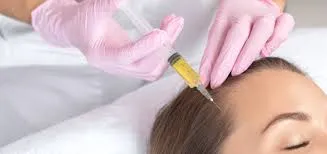
- PRP (Platelet-Rich Plasma) therapy: injections of growth-factor-rich plasma improve hair density in some dogs.
- These procedures are performed only in specialized veterinary clinics.
Supportive Care & Environmental Strategies
- Use protective clothing (dog sweaters) to reduce sun or cold exposure.
- Keep grooming gently—never yank or overbrush.
- Schedule regular vet visits for progress monitoring.
Recovery Timeline & Progress Tracking
Every Pom responds differently, but these are general expectations:
- Weeks 1–4: Start with topical therapies and nutritional support. Minor improvements in coat shine.
- 1–3 months: Melatonin and supplements may show visible regrowth.
- 3–6 months: Significant fur density changes; advanced therapies may be added if little progress.
- 6–12+ months: Long-term management and stabilization.
Pro Tip: Keep a photo journal of your Pom’s coat every 2–4 weeks. This helps track progress and guides treatment adjustments.
FAQs
When is hair loss in my Pom normal?
How long until I see hair regrowth?
Is Alopecia X curable?
Is melatonin safe for dogs?
Can infections cause hair loss?
When should I see a specialist?
Next Step
Is your Pomeranian struggling with unexplained hair loss? Don’t wait for the problem to worsen; early intervention makes all the difference. Book a consultation with a veterinary dermatology specialist for a personalized pomeranian hair loss treatment plan that restores your pet’s comfort and coat health.