
Struggling to figure out the reason for hair fall in male is one of the most common concerns for men worldwide.
Hair loss can happen gradually or suddenly, and knowing the underlying cause is the first step toward finding the right solution.
In this guide, we’ll explore the most common causes, how to recognize early warning signs, and what treatment options can help you regain confidence, backed by expert insights and medical facts.
What Leads to Hair Fall in Men? (Reasons for Hair Fall in Males)
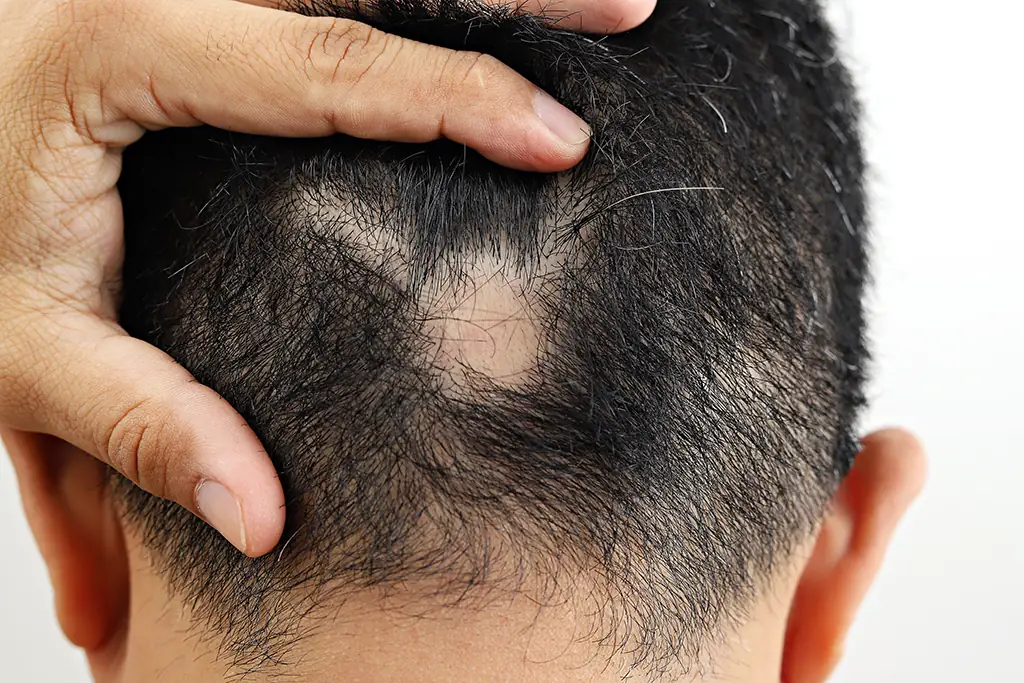
Hair loss in men can be due to a single cause or a combination of factors. Below are the most common reasons explained in detail.
1. Androgenetic Alopecia (Male-Pattern Baldness)
- Cause: A genetic condition influenced by dihydrotestosterone (DHT).
- Signs: Gradual hair thinning starting at the temples and crown.
2. Telogen Effluvium (Stress-Induced Shedding)
- Cause: Severe physical or emotional stress pushes hair into the resting phase.
- Triggers: Surgery, illness, emotional trauma, crash diets.
- Signs: Diffuse thinning across the scalp, often 2–3 months after a stressful event.
- Recovery: Hair usually regrows within 6–9 months if the cause is addressed.
3. Nutritional Deficiencies
- Common Deficiencies: Iron, protein, zinc, vitamin D, vitamin B12, biotin.
- Impact: Nutrients are essential for hair follicle function; deficiencies can lead to brittle, thinning hair.
- Solution: Balanced diet or supplements after a confirmed deficiency through blood tests.
4. Hormonal & Thyroid Imbalances
- Thyroid Disorders: Both hypothyroidism and hyperthyroidism can cause hair thinning.
- Hormonal Shifts: Low testosterone, high cortisol, or imbalanced androgens.
- Action: Seek medical evaluation if hair loss is accompanied by weight changes, fatigue, or mood swings.
5. Autoimmune Conditions
- Alopecia Areata: The immune system attacks hair follicles, leading to patchy bald spots.
- Other Conditions: Lupus and certain chronic inflammatory diseases.
- Treatment: Often involves corticosteroid injections, topical immunotherapy, or systemic medication.
6. Scalp Infections & Skin Conditions
- Examples: Ringworm (tinea capitis), folliculitis, seborrheic dermatitis.
- Signs: Redness, scaling, itching, localized hair loss.
- Treatment: Antifungal or antibacterial medication plus scalp hygiene.
7. Medications & Medical Treatments
- Known Culprits: Chemotherapy, beta-blockers, anticoagulants, antidepressants.
- Mechanism: These can disrupt the hair growth cycle or damage follicles.
- Tip: Never stop medication without consulting your doctor—alternatives may be available.
8. Traction Alopecia & Haircare Damage
- Cause: Prolonged tension from hairstyles (tight ponytails, braids) or harsh chemical treatments.
- Result: Gradual hair thinning at the hairline or temples.
- Solution: Switch to looser hairstyles and gentle haircare routines.
9. Age and Natural Hair Aging
- Process: Hair follicles shrink with age, producing finer hair until growth stops.
- Onset: Usually noticeable from the late 30s to 40s onward.
- Management: Combination of cosmetic (hair fibers, styling changes) and medical solutions.
Diagnosis & When to See a Specialist
Self-Assessment Warning Signs
- Sudden clumps of hair in the shower or on the pillow.
- Receding hairline or widening part.
- Patchy bald spots.
Recommended Tests & Diagnosis
- Blood tests for iron, thyroid, vitamin D, and hormones.
- Scalp examination.
- Biopsy (in uncertain cases).
Treatment Paths Based on Cause
- Medical: Minoxidil, finasteride, low-level laser therapy.
- Lifestyle: Diet improvement, stress control.
- Advanced: Hair transplant for irreversible cases.
Prevention & Holistic Management
Balanced Diet & Supplements
- Include lean proteins, leafy greens, nuts, seeds, and vitamin-rich foods.
- Supplement only after confirmed deficiencies.
Stress Management & Lifestyle
- Regular exercise, meditation, and adequate sleep.
- Avoid smoking and excessive alcohol intake.
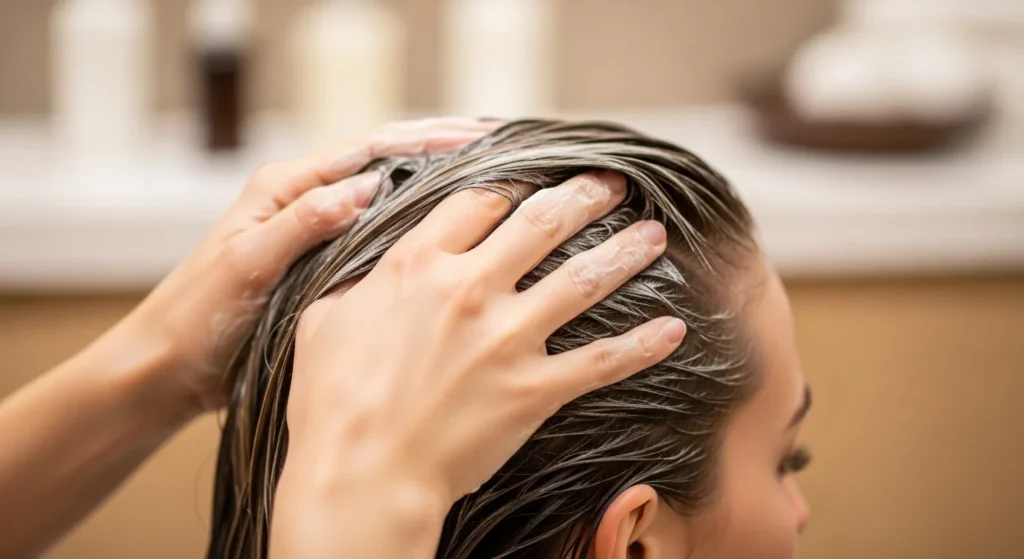
Gentle Haircare Practices
- Use mild, sulfate-free shampoos.
- Limit heat styling and chemical treatments.
- Avoid tight hairstyles.
FAQs
Q: Why is my hair falling out suddenly?
Q: Can diet alone reverse hair fall?
Q: Is hair fall genetic or preventable?
Q: Can scalp infections cause long-term hair loss?
Q: How long to recover from telogen effluvium?
Take Your Next Step
If you’ve noticed persistent hair thinning, early action can make all the difference. Book a consultation with Dr. Rana Irfan in Islamabad today to identify the exact cause and get a personalized treatment plan combining medical expertise, proven therapies, and compassionate care.